Introduction
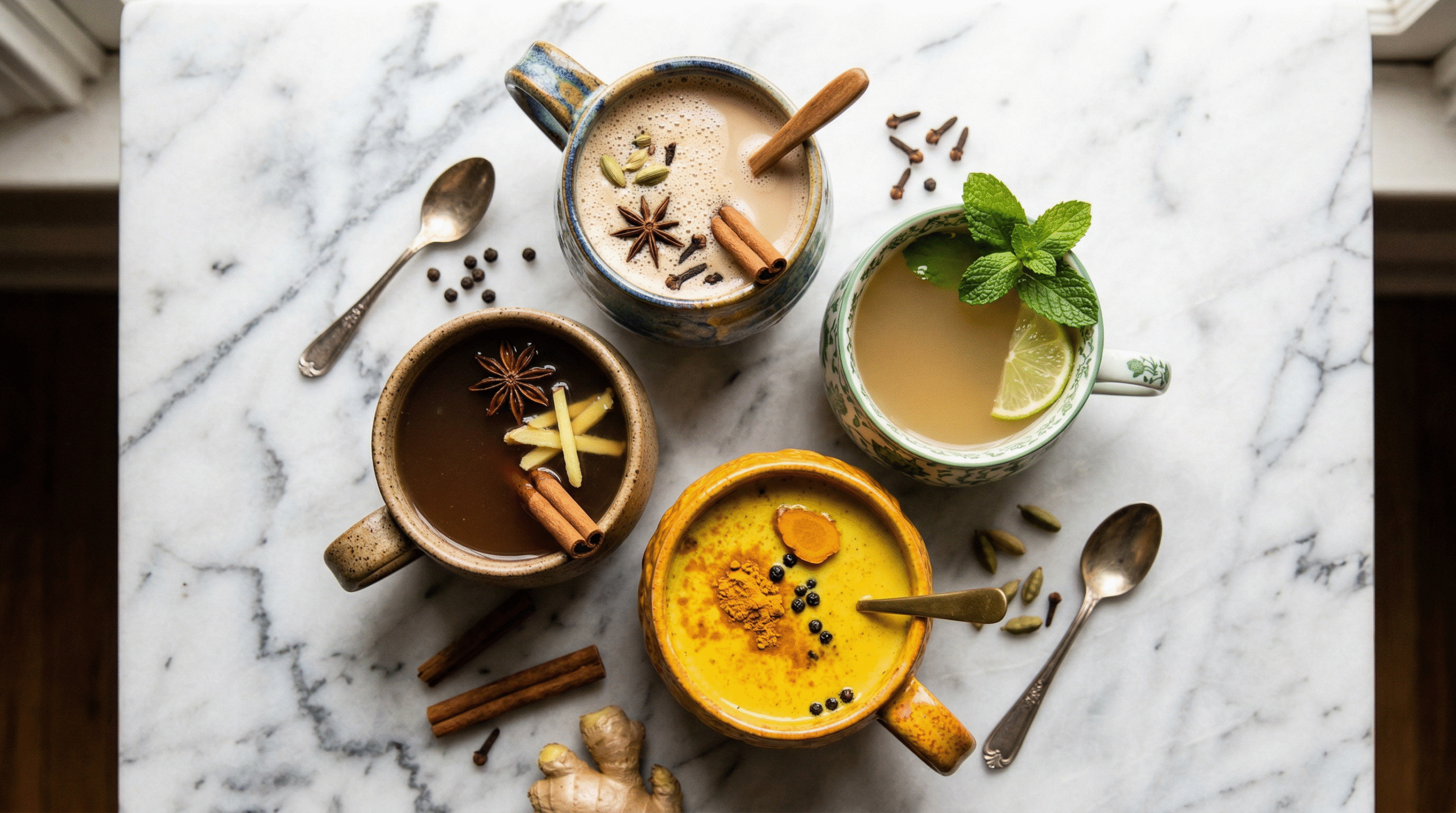
While “chai” is most closely associated with India, spiced and milky tea traditions exist across the globe. Every culture that adopted tea adapted it to local tastes, available spices, and climate. The result is a diverse family of chai-like beverages, each with its own character.
Here are 7 types of chai from around the world that deserve your attention.
1. Indian Masala Chai
Origin: India
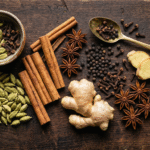
Key ingredients: Black tea (Assam/CTC), cardamom, ginger, cinnamon, cloves, black pepper, milk, sugar
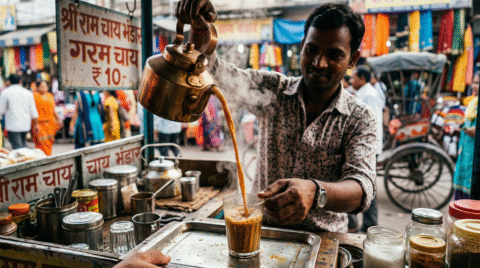
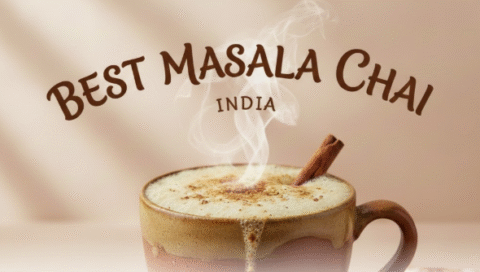
The original and most widely consumed version. Indian masala chai is defined by its bold spice blend and the stovetop brewing method where tea, spices, and milk are simmered together. Every region — and every household — has its own variation. In Gujarat, you might find more ginger. In Bengal, more cardamom. In Rajasthan, a hint of fennel.
2. Kashmiri Kahwa
Origin: Kashmir, India
Key ingredients: Green tea, saffron, cardamom, cinnamon, almonds, rose petals
Kahwa is a lighter, more delicate preparation than masala chai. It uses green tea instead of black, and the star ingredient is saffron, which gives it a golden color and a floral, earthy flavor. Crushed almonds are added for richness. It’s traditionally served without milk and is often a welcome drink for guests.
Flavor profile: Light, floral, aromatic, mildly sweet.
3. Moroccan Mint Tea (Atay)
Origin: Morocco
Key ingredients: Gunpowder green tea, fresh spearmint, sugar
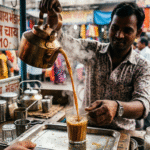
Moroccan mint tea is the social drink of North Africa. It’s brewed strong with Chinese gunpowder green tea, loaded with fresh mint, and sweetened generously. The signature element is the theatrical pouring from a height to create a frothy top. It is served three times to guests — each cup progressively weaker.
Flavor profile: Minty, sweet, refreshing, slightly astringent.
4. Hong Kong Milk Tea (Yuenyeung)
Origin: Hong Kong
Key ingredients: Strong black tea blend (Ceylon), evaporated milk or condensed milk
Hong Kong milk tea is brewed incredibly strong — often using a blend of several black tea varieties — and strained through a silk stocking-like cloth filter (earning it the nickname “silk stocking tea”). The addition of evaporated or condensed milk creates an ultra-creamy, rich result. Yuenyeung takes it a step further by combining it with coffee.
Flavor profile: Intensely creamy, bold, smooth, slightly bitter.
5. Tibetan Butter Tea (Po Cha)
Origin: Tibet
Key ingredients: Pu-erh or black tea, yak butter, salt
This is one of the more unusual chai traditions. Tibetan butter tea is salty, not sweet. It’s made by churning strong tea with yak butter and salt in a wooden churn. The result is a calorie-dense, warming drink perfectly suited to high-altitude living. It provides sustenance and combats the dry, cold air of the Himalayas.
Flavor profile: Savory, buttery, salty, rich.
6. Japanese Hojicha Latte
Origin: Japan
Key ingredients: Roasted green tea (hojicha), steamed milk, light sweetener
Hojicha is a roasted Japanese green tea with a naturally nutty, caramel-like flavor. When combined with steamed milk, it creates a warm, comforting drink with a completely different character from matcha. It’s lower in caffeine than most teas and has a toasty, gentle flavor that works well as an evening drink.
Flavor profile: Nutty, toasty, mild, caramel notes.
7. East African Chai (Chai ya Tangawizi)
Origin: Kenya, Tanzania, East Africa
Key ingredients: Strong black tea (often Kenyan), ginger, milk, sugar, sometimes cardamom
East African chai reflects the region’s history as a major tea producer and the cultural influence of Indian immigrants. It’s similar to Indian masala chai but typically uses fewer spices — ginger is the dominant flavor. Kenyan tea is naturally strong and malty, so the brew is robust. It’s an everyday drink consumed multiple times daily across East Africa.
Flavor profile: Strong, gingery, creamy, straightforward.
What They All Have in Common
Despite their differences, these chai traditions share a core philosophy: take tea, combine it with local ingredients, and create something that serves as both sustenance and social ritual. Tea is rarely consumed plain in these cultures — it’s always transformed.
Conclusion
If masala chai is your go-to, consider expanding your horizon. Each of these 7 chai varieties offers a unique window into a different culture’s relationship with tea. Try brewing one this week — you might discover a new favorite.