Introduction
Chai is consumed by an estimated 3 billion people worldwide. In India alone, over 1 billion cups are drunk every single day. It is the world’s most popular tea preparation — and its history stretches back thousands of years across empires, trade routes, and cultural revolutions.
Here’s how a simple blend of spices and tea leaves became a global phenomenon.
Ancient Roots: The Ayurvedic Era (3000 BCE – 1800s)
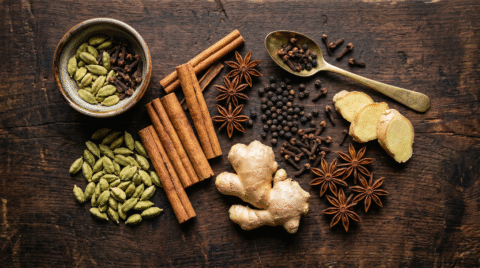
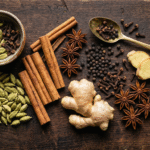
The story of chai begins not with tea, but with spices. In ancient India, Ayurvedic practitioners created a healing beverage called kadha — a spiced decoction of ginger, cardamom, black pepper, cloves, and cinnamon simmered in hot water. This drink contained no tea leaves and no milk. It was medicine, not a beverage for pleasure.
These spice blends were prescribed for a range of ailments: digestive issues, respiratory problems, inflammation, and low energy. The specific combination of spices varied by region and practitioner, but the core philosophy was consistent — using nature’s pharmacy to maintain balance in the body.
The British Connection (1830s – 1900s)
Tea cultivation in India began in the 1830s when the British East India Company established tea plantations in Assam and Darjeeling. The goal was to break China’s monopoly on tea production and supply the massive British demand for the beverage.
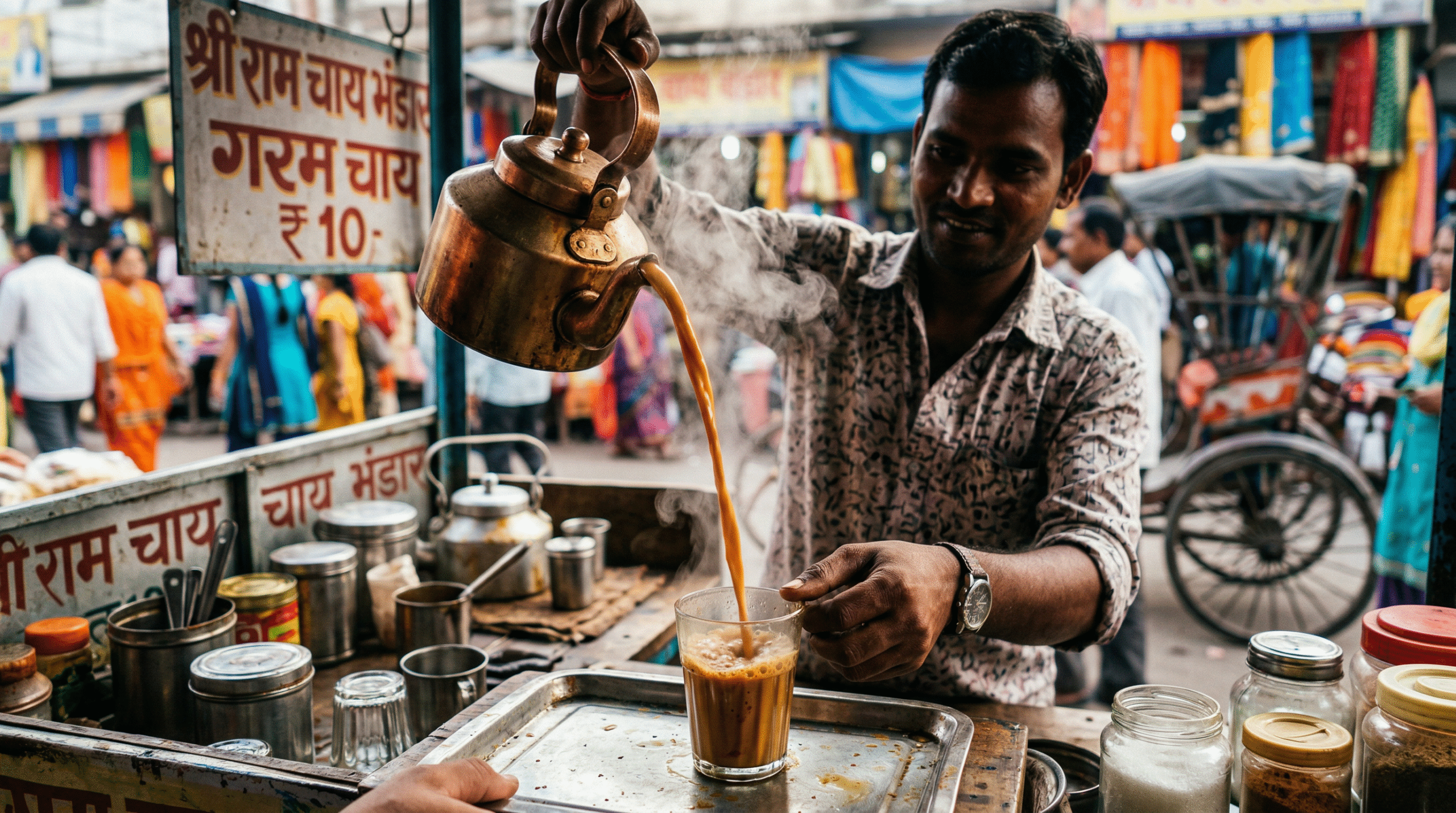
Initially, the tea produced in India was exported exclusively to Britain. But by the late 1800s, the Indian Tea Association began aggressively marketing tea to domestic Indian consumers. Tea stalls appeared at railway stations, factories, and marketplaces. Indian vendors — the iconic chai wallahs — started adding their traditional spice blends, milk, and sugar to make the bitter black tea more palatable and stretch the expensive tea leaves further.
This was the birth of masala chai as we know it.
The Rise of the Chai Wallah (1900s – 1960s)
By the early 20th century, chai wallahs had become a fixture of Indian life. Every train station, every street corner, every office had its chai provider. The drink became deeply democratic — consumed by laborers, merchants, politicians, and families alike.
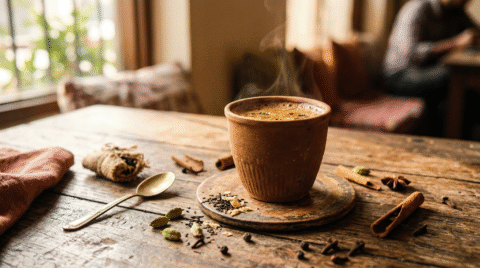
The chai wallah tradition developed its own art form. The theatrical pouring from height (to cool the tea and create a frothy texture), the clay kulhad cups (which added an earthy flavor), the rhythmic calling of “chai, chai, garam chai!” — all became part of India’s cultural identity.
Chai Goes Global (1990s – Present)
Chai’s international breakout came in the 1990s when Starbucks and other Western coffee chains introduced the “chai tea latte.” While purists argued (correctly) that this sugary, concentrate-based version bore little resemblance to authentic masala chai, it accomplished something important: it introduced billions of non-Indian consumers to the concept of spiced tea.
Today, the global chai market is valued at over $4 billion and growing at approximately 6% annually. Specialty chai brands, authentic chai cafes, and artisanal masala blends are now available worldwide. The market has matured beyond the sweetened latte version, with increasing demand for traditional, whole-spice preparations.
Chai in the Digital Age
Social media has played a significant role in chai’s continued growth. #ChaiLovers has over 2 million posts on Instagram. YouTube tutorials on authentic masala chai routinely get millions of views. The global wellness movement has highlighted chai’s health benefits, further driving interest.
In India, a new generation of entrepreneurs is reinventing chai culture. Companies like Chai Point and Chaayos have built tech-enabled chai delivery and cafe chains, modernizing the chai wallah for the 21st century while respecting traditional recipes.
Conclusion
From Ayurvedic medicine to colonial trade to global cafe culture, chai has survived and adapted across millennia. Its enduring appeal lies in its simplicity, its flexibility, and its ability to bring people together. The next time you wrap your hands around a warm cup, you’re holding thousands of years of history.