Every morning, millions of Indians face the same dilemma — chai or coffee? Both are beloved, both give you a caffeine kick, but they are very different drinks with very different effects on your body. The internet is full of articles that either glorify one or demonise the other, but the truth is more nuanced than that.
Both chai and coffee have legitimate health benefits and legitimate downsides. The right choice depends on your body, your lifestyle, and what you actually need from your morning drink. So let me break this down honestly, without the bias.
Caffeine Content: The Numbers That Matter
This is where coffee wins by a significant margin, and it is not even close.
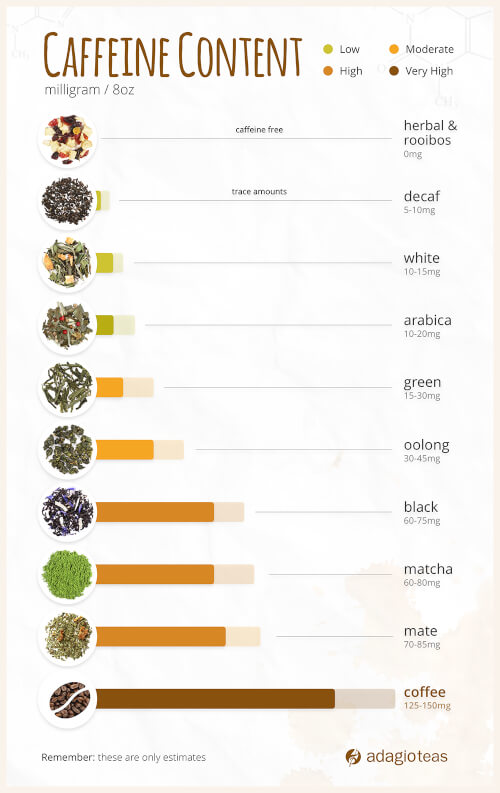
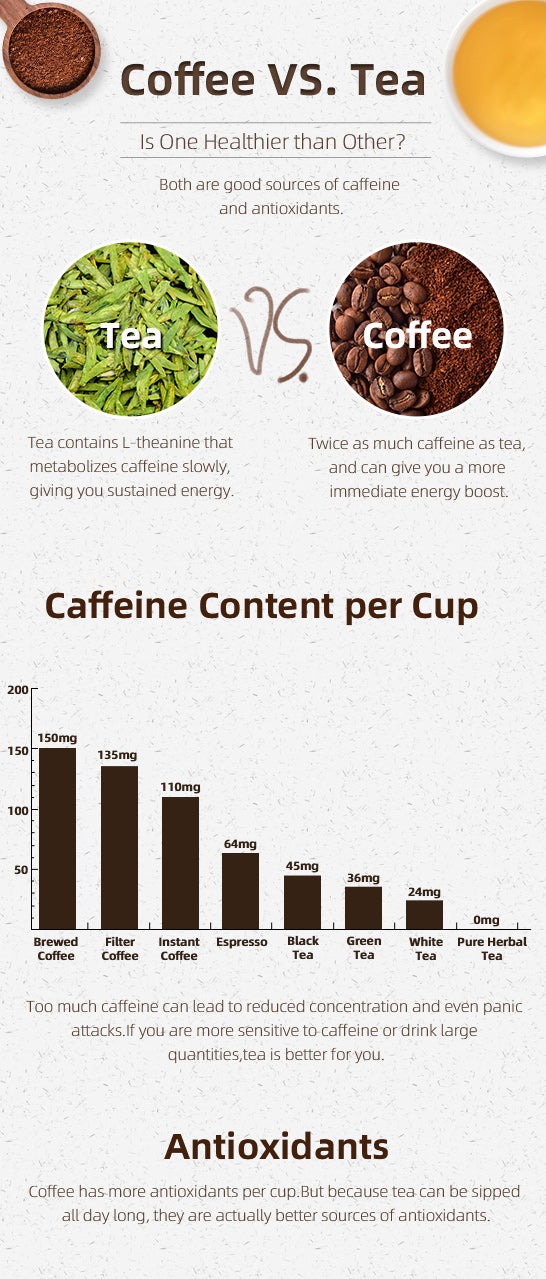
- One cup of filter coffee (8 oz / 240 ml): 95-200 mg of caffeine, depending on the brew strength
- One cup of chai (8 oz / 240 ml): 30-60 mg of caffeine, depending on how strong you make it
- One shot of espresso: 63 mg of caffeine
- Instant coffee (8 oz): 30-90 mg of caffeine
Coffee has roughly 2-3x more caffeine than chai. If you need an instant jolt to wake up, coffee is your answer. But here is the thing — more caffeine is not always better. Let me explain why.
Why Chai’s Lower Caffeine Is Actually a Good Thing
The caffeine in chai comes from black tea, which also contains something coffee does not — an amino acid called L-theanine. This is a game-changer, and here is why.
L-theanine slows down the absorption of caffeine into your bloodstream. Instead of hitting you all at once (which is what coffee does), the caffeine in chai releases gradually over 3-4 hours. The result? A steady, calm energy lift without the jitters, anxiety, or crash that coffee drinkers know all too well.
Think of it this way: coffee is like a sprint — fast, intense, and over quickly. Chai is like a marathon — slower start, but it keeps you going for hours.
This is also why chai drinkers rarely experience the dreaded mid-morning crash. You know the one — you have your coffee at 9 am, feel great until about 11, and then suddenly you are tired, irritable, and reaching for another cup. With chai, that rollercoaster does not exist. The energy is more even, more sustainable.
How They Affect Your Stomach
This is where a lot of people do not realise how different chai and coffee are.
Coffee is highly acidic. It stimulates your stomach to produce more hydrochloric acid, which can cause acidity, heartburn, and discomfort — especially if you drink it on an empty stomach. If you have ever felt that gnawing, burning sensation after your morning coffee, that is your stomach telling you it is unhappy. Long-term, excessive coffee consumption on an empty stomach can contribute to gastritis and acid reflux.
Chai, on the other hand, is much gentler on the stomach. The spices in masala chai — particularly ginger and cardamom — actually aid digestion. Ginger reduces nausea and speeds up gastric emptying. Cardamom soothes the stomach lining. The milk in chai also buffers the acidity of the tea, making it far less likely to cause discomfort.
If you struggle with acidity, GERD, or a sensitive stomach, chai is the clear winner here.
Health Benefits: Side by Side
What Chai Brings to the Table
- Rich in antioxidants: Black tea and the spices (cinnamon, cloves, cardamom) are all loaded with antioxidants that fight cellular damage and reduce inflammation
- Aids digestion: Ginger and cardamom stimulate digestive enzymes and reduce bloating
- Regulates blood sugar: Cinnamon has been shown to improve insulin sensitivity and lower blood sugar levels
- Anti-inflammatory: Cloves and ginger have powerful anti-inflammatory properties that can help with joint pain and chronic inflammation
- Heart health: The flavonoids in black tea improve cholesterol levels and reduce the risk of cardiovascular disease
- Stress relief: L-theanine promotes relaxation without drowsiness, reducing stress and anxiety
What Coffee Brings to the Table
- Maximum alertness: The higher caffeine content delivers faster, stronger cognitive enhancement
- Rich in chlorogenic acid: A powerful antioxidant unique to coffee that may reduce inflammation
- May reduce risk of neurodegenerative diseases: Studies link regular coffee consumption to lower risk of Parkinson’s and Alzheimer’s
- Boosts physical performance: Caffeine increases adrenaline levels and releases fatty acids from fat tissues, improving physical performance by 11-12%
- Protects liver health: Coffee drinkers have a significantly lower risk of liver disease, cirrhosis, and liver cancer
- May lower risk of Type 2 diabetes: Regular coffee consumption is associated with a 25-50% lower risk of developing Type 2 diabetes
Both are genuinely healthy. The difference is in the type of benefits they offer.
Which Is Better for Weight Loss?
Both can support weight loss, but in different ways.
Coffee has the edge when it comes to pure metabolism boosting. The higher caffeine content increases your metabolic rate by 3-11%, and it mobilises fatty acids from fat tissue, making them available for energy. Black coffee has almost zero calories, which makes it an easy addition to a weight loss plan.
Chai supports weight loss more indirectly. The spices — especially ginger and cinnamon — help with digestion, blood sugar control, and reducing cravings. A cup of chai without sugar has very few calories, and the L-theanine helps reduce stress-related eating. However, if you load your chai with sugar and full-cream milk, you are adding 100-150 calories per cup, which can add up quickly.
The honest answer: if weight loss is your primary goal and you drink your chai without too much sugar, chai is the more sustainable choice because it does not cause the cortisol spikes that coffee can trigger (cortisol is a stress hormone that promotes fat storage, especially around the belly).
The Sleep Factor
This is where the timing matters enormously. Caffeine has a half-life of about 5-6 hours, which means if you have a cup of coffee at 4 pm, half of that caffeine is still in your system at 10 pm.
Chai, with its lower caffeine content, is less likely to disrupt your sleep — especially if you have your last cup by 3-4 pm. Coffee after 2 pm is generally not recommended if you care about your sleep quality.
So Which Should You Choose?
Here is the honest answer: it depends on you.
- Choose chai if: You are sensitive to caffeine, struggle with acidity, want sustained energy without crashes, care about sleep quality, or want something that supports digestion and stress management
- Choose coffee if: You need maximum alertness for a specific task, do not have stomach issues, want a pre-workout boost, or prefer the taste
And honestly, many people do both — coffee in the morning when they need the strongest kick, and chai through the rest of the day for a gentler, more sustained lift. That is a perfectly reasonable strategy.
But if you had to pick just one for daily, long-term consumption? Chai is the more balanced, sustainable, stomach-friendly option. Coffee is the specialist — brilliant for specific situations, but harder on the body if consumed in large quantities every day.
Ready to make the switch or upgrade your chai game? Chaiolic’s Royal Indian Masala Chai is crafted with real Assam tea leaves and whole spices — ginger, cardamom, cloves, and cinnamon — for the perfect balance of flavour and wellness. No artificial flavours, no shortcuts.
Are you team chai or team coffee? Or do you do both like most of us? Drop a comment and let us know your daily routine.