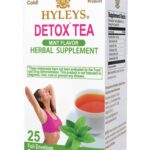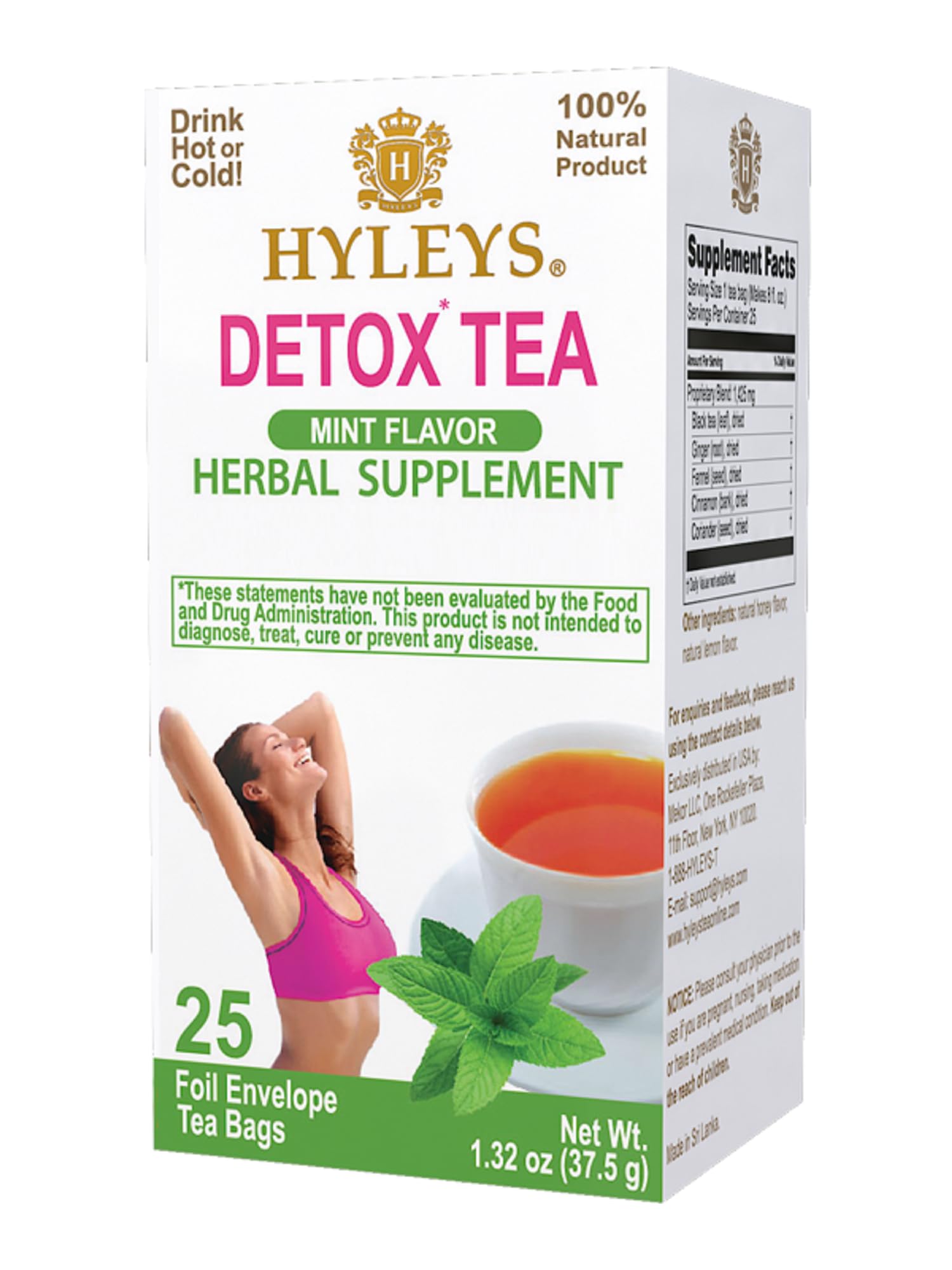
Detox tea has become one of the most searched wellness products online. Everyone from fitness influencers to your aunt on WhatsApp seems to be talking about it. But does detox tea actually work, or is it just another health trend that sounds good on Instagram but does nothing in real life?
I get the scepticism. The wellness industry is full of products that promise the world and deliver nothing. But detox tea is different — at least the good ones are. There is actual science behind why certain herbal blends help with bloating, digestion, and yes, even weight management. The trick is knowing what to look for and what to avoid.
So let me break this down for you properly. No marketing fluff, no exaggerated claims. Just the real story about detox tea.
What Exactly Is Detox Tea?
First, let us clear up a common misconception. When people say “detox tea,” they are usually talking about herbal teas made from a blend of herbs, spices, flowers, and sometimes tea leaves. Unlike your regular masala chai, most detox teas are caffeine-free and rely on ingredients that have been used in Ayurvedic and traditional medicine for centuries.
Common ingredients you will find in a good detox tea include:
- Fennel seeds (Saunf): One of the most effective natural remedies for bloating and gas. Fennel contains compounds that relax the muscles in your gastrointestinal tract, helping food move through more smoothly and reducing that uncomfortable bloated feeling.
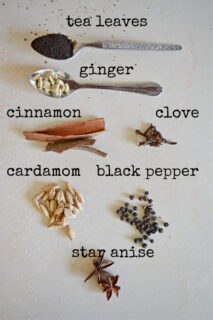
- Ginger (Adrak): A powerful anti-inflammatory that speeds up digestion and reduces nausea. Ginger has been used for thousands of years to treat stomach issues, and modern research backs it up.
- Peppermint (Pudina): Contains menthol, which relaxes the digestive tract and helps relieve bloating, gas, and indigestion. Peppermint tea is one of the most studied herbal teas for digestive health.
- Tulsi (Holy Basil): An adaptogen that helps your body manage stress while also supporting digestion and immune function.
- Lemongrass: A natural diuretic that helps flush excess water from your body, reducing water weight and bloating.
- Hibiscus: Rich in antioxidants and acts as a gentle natural diuretic, helping your body get rid of excess sodium and water retention.
- Dandelion root: Supports liver function and acts as a natural diuretic. It is one of the most effective herbs for reducing water retention.
The key thing to understand is that these ingredients work. They are not magic, but they have genuine, measurable effects on your digestive system and overall wellness.
Can Detox Tea Really Reduce Bloating?
Yes — and this is where detox tea genuinely delivers on its promises. Bloating happens for several reasons: excess gas in the digestive tract, water retention, slow digestion, or food sensitivities. The herbs commonly found in detox teas address all of these.
Fennel and peppermint are particularly effective at reducing gas and bloating. Studies have shown that peppermint oil can reduce IBS symptoms by up to 40%, and fennel has been used clinically to treat infant colic (which is essentially bloating and gas). Ginger speeds up gastric emptying, which means food moves through your stomach faster and you feel less bloated after meals.
If you regularly feel bloated after eating, especially after heavy or oily meals, a cup of herbal detox tea 30 minutes before or after your meal can make a noticeable difference. Most people report feeling lighter within the first week of regular consumption.
Does Detox Tea Actually Help With Weight Loss?
Here is where you need to manage your expectations. Let me be straight with you — no tea is going to melt away kilos while you sit on the couch eating samosas. If a product claims that, it is lying to you.
But detox tea can support your weight loss efforts in several real, meaningful ways:
- Boosts metabolism naturally: Ingredients like ginger and green tea (if included in the blend) can slightly increase your metabolic rate. It is not dramatic, but over weeks and months, it adds up.
- Reduces water weight: Natural diuretics like dandelion, hibiscus, and lemongrass help your body flush excess water. This is not fat loss, but it does reduce bloating and make you feel lighter. Many people see the scale drop 1-2 kg in the first week, and most of that is water weight.
- Curbs cravings: Drinking a warm cup of tea, especially one with naturally sweet-tasting herbs like licorice root or stevia, can reduce the urge to snack between meals. Sometimes you are not hungry — you just need something warm and comforting in your hands.
- Improves digestion: Better digestion means better nutrient absorption and less bloating. When your digestive system is working efficiently, your body uses food more effectively, which supports healthy weight management.
- Replaces sugary drinks: If you swap your evening biscuit-and-sugary-chai habit with a cup of herbal detox tea, you are cutting empty calories without feeling deprived.
The honest truth is that detox tea works best as part of a broader approach — decent diet, some physical activity, adequate sleep, and stress management. It is a helpful tool, not a miracle solution.
What to Look for in a Good Detox Tea
Not all detox teas are created equal. Here is what separates a genuinely good detox tea from the overpriced ones that are basically coloured water:
- Natural ingredients only: No artificial flavours, colours, or preservatives. If you cannot pronounce half the ingredients on the list, put it back.
- Caffeine-free for evening drinking: If you plan to drink it at night (which is when detox tea works best for most people), make sure it is caffeine-free. Otherwise, you will trade bloating for insomnia.
- Contains proven digestive herbs: Look for fennel, mint, ginger, tulsi, lemongrass, or hibiscus near the top of the ingredient list. These are the ingredients with actual research behind them.
- No laxatives like senna: Some detox teas include senna leaf, which is a stimulant laxative. These can cause dependency, dehydration, and electrolyte imbalance. Avoid any detox tea that relies on laxatives — real detox teas work through gentle, natural digestion support.
- Fresh packing: Herbs lose their potency over time. A tea packed months ago will be significantly less effective than one packed fresh. This is why smaller, direct-to-consumer brands often outperform big supermarket names.
How to Drink Detox Tea for Best Results
Here is a simple routine that actually works:
- Morning (optional): A cup of ginger-lemon detox tea on an empty stomach can kickstart your digestion for the day. Wait 15-20 minutes before eating breakfast.
- After lunch or dinner: A cup of fennel-mint tea 30 minutes after a meal helps with digestion and prevents that heavy, bloated feeling.
- Evening wind-down: Replace your evening chai or coffee with a calming herbal blend — tulsi, chamomile, or lemongrass work beautifully. This reduces your overall calorie intake and helps you sleep better.
Aim for 1-2 cups a day. Do not overdo it — more is not better. Your body needs time to adjust, and consistency matters more than quantity.
Who Should Avoid Detox Tea?
Detox tea is safe for most people, but there are a few exceptions:
- Pregnant or breastfeeding women should consult their doctor before drinking herbal teas, as some herbs are not recommended during pregnancy.
- People on medication should check for interactions — particularly if you are on blood thinners, diabetes medication, or blood pressure drugs.
- People with kidney issues should be cautious with teas containing natural diuretics.
When in doubt, talk to your doctor. It is always better to be safe.
The Bottom Line
Detox tea is not a scam. The right blend, with the right ingredients, genuinely helps with bloating, digestion, and can support your wellness goals. But it is not a magic pill either. It works best when you treat it as part of a healthy lifestyle, not a replacement for one.
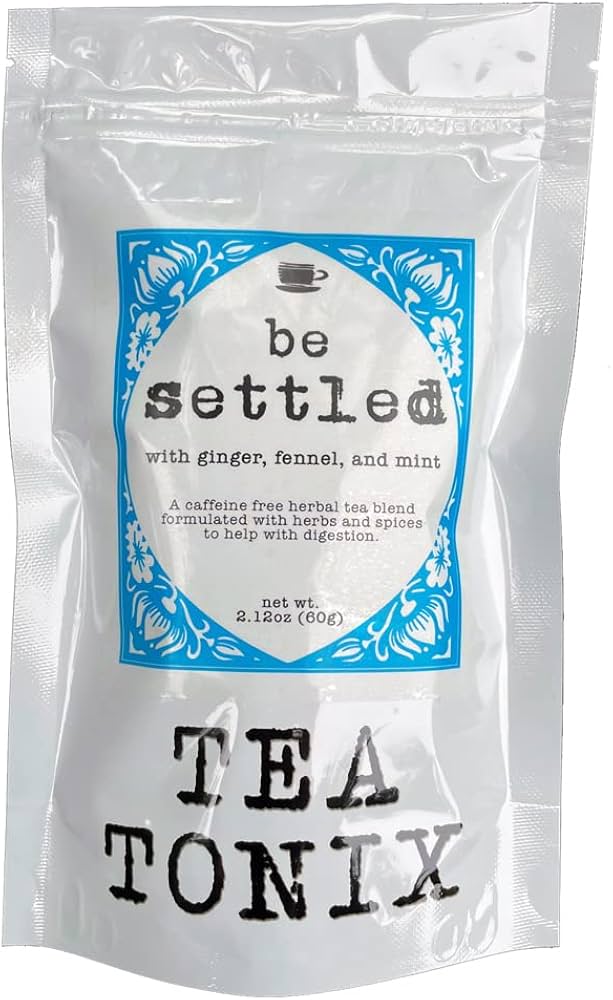
If you want to try a detox tea that actually delivers, Chaiolic’s Herbal Detox Tea is a solid choice. It is made with natural fennel, mint, and digestive herbs — no fillers, no artificial anything, no laxatives. Every pack is made fresh, so you get the full potency of every ingredient.
Have you tried detox tea before? What worked for you and what did not? Share your experience in the comments — we read every single one.